Why Gen Z credit scores just hit a 5-year low (and how to fix yours this year)
Gen Z's average FICO just hit 676 — the lowest of any generation, per FICO's 2025 Credit Insights Report. The four moves that move your score 40 to 80 points in twelve months.
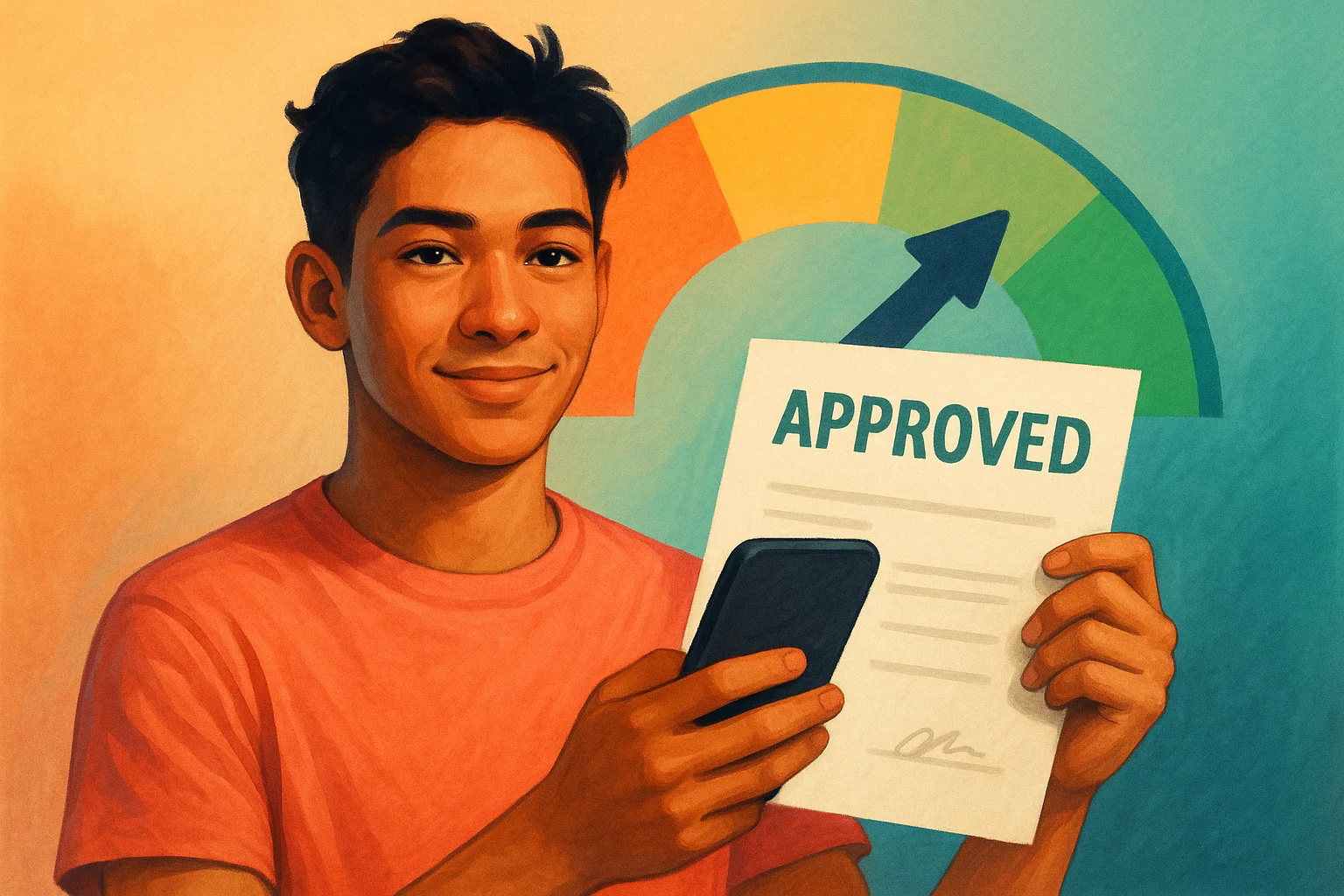

The average Gen Z FICO just landed at 676 — the lowest of any generation and the steepest year-over-year slide since 2020, per FICO's 2025 Credit Insights Report. That's 39 points below the 715 national average.
If you're 18 to 28 and your score feels stuck, it's not you. It's the entire generation sliding at once 📉.
Here's the part the headlines miss. The dip isn't a behavior problem — it's a timing problem. And at your age, the fixes can be fast. A thin file with two good trade lines can move 40 to 80 points in 12 months. Try pulling that off at 45.
What actually happened
Two things hit at the same time.
Federal student loan payments resumed in October 2023 after the pandemic pause, but the Department of Education held off on credit reporting during a 12-month on-ramp that ended September 30, 2024. Q1 2025 was the first full quarter of resumed credit reporting, and the missed-payment data started landing on reports in waves. For a Gen Z borrower with two or three accounts on file, a reported 90-day student loan delinquency can drop the score 90 to 110 points — one of the harder single-event hits in consumer credit, though bankruptcies and foreclosures hit harder.
Then credit card utilization across Gen Z climbed into the low-30s%, the highest level in years. Anything over 30% drags the number. Over 50% drags it harder.
Stack those on top of each other, and you get the 3-point generational slide to 676. That's the average. Plenty of Gen Z users are sitting at 600 or below right now, wondering why every rental application turns into a fight.
Where you actually sit in 2026
Most articles skip this chart. Here's what each bucket actually unlocks:
740+: best auto loan rates, every apartment approved, premium card offers
670–739: approved for most things, rates are average
580–669: approved with higher deposits and rates, some rentals reject
Below 580: mostly declined; secured cards and credit-builder loans are the path
Sitting at 620 and aiming for 720? That's 100 points in a year — might be aggressive. Sitting at 670 and aiming for 720? That's 50 points in a year, very possible, especially if you start by doing the four things below.
The four moves that actually help improve your score
Ranked by how much they move the number.
1. Autopay, then focus over one bill
The single biggest Gen Z score-killer right now is a reported student loan delinquency. The fix takes three minutes. Log in to your servicer. Set autopay. Confirm the first deduction landed. Done.
Do the same with the phone bill, Netflix, the credit card minimum — everything on autopay from checking, not from another card.
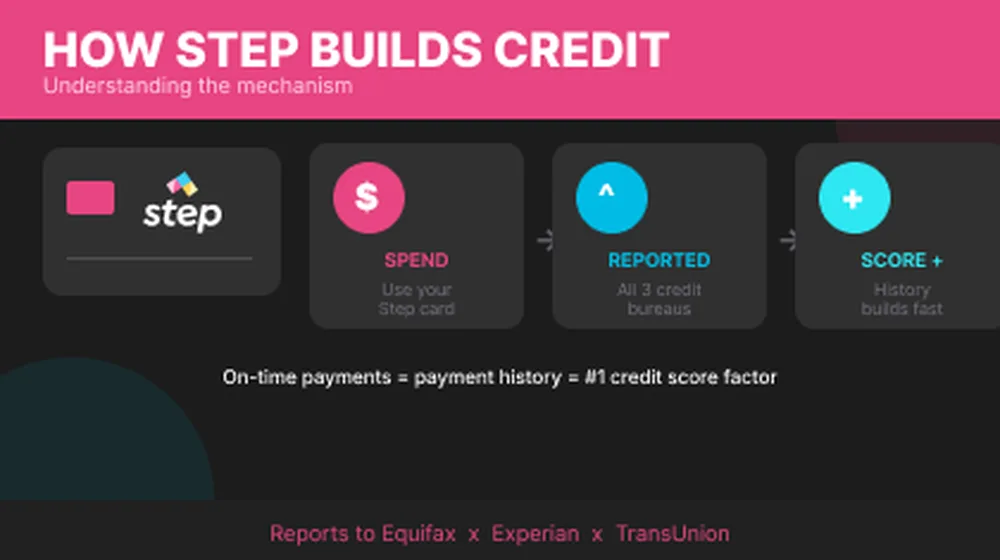
This allows you to have on-time payments for all your subscriptions and allows you to focus on paying one bill. Your credit card balance. Pay it in full before the statement closes, not after. That kills utilization before it ever reports to the bureaus. By using the Step Visa Card to pay when you auto pay your bills, you will also be building credit or credit history with every payment. Two birds, one stone.
2. Get utilization under 10%
Fastest lever anyone has. You can move 20 to 40 points in one statement cycle just by paying your credit card down before the statement cuts.
The limit is $500, and you're spending $200 a month? Pay it down to $50 before the statement closes. Utilization reports at 10%. Next month, do it again. Watch your score climb.
3. Add a second trade line if your file is thin
One credit card in your file is thin. Two good accounts beat one perfected account every time. A credit-building app for teens and young adults, with no fee and no APR, is the cleanest way to do it in 2026. Step reports to all three bureaus, has no credit check to sign up, and Step users in their 20s increase their credit score by an average of 57 points in one year.
4. Stop applying for stuff you don't need
Every hard inquiry takes up to 5 points off a thin file and stays on your credit report for 24 months (though FICO only scores them for the first 12). A Gen Z file with five hard inquiries in six months is likely to be declined for the apartment. Do your best to keep it to one or two a year. That's it.
"Fast" credit repair — what's actually real
Fast in the credit world has rules:
30 days: utilization updates after your next statement closes — the fastest lever you have. myFICO
30–45 days: a new trade line appears on your report; 60–90 days before it moves the score. Experian
~30 days: a disputed item resolves under FCRA §611 — removed if found inaccurate. CFPB
7 years: most collections stay on your report paid or not — paid medical collections were removed in 2023. Equifax / bureau joint announcement
12 months: hard inquiries stop factoring into your FICO score (visible for 24). myFICO
If someone is selling you a 30-day credit repair service promising 100 points, they are either moving your utilization (which you can do for free in ten minutes) or straight lying. Don't pay $600 for something that lives in your phone.
What a 12-month fix looks like
Month 1: autopay everything, pay the card down to under 10% utilization before the statement closes, pull your free credit report. Month 2: open a no-fee secured credit card to build credit if your file is thin. Put one recurring charge on it. Month 3: first score check. Expect 20 to 40 points of movement from utilization alone. Month 6: score climbing, credit mix starting to help. Month 12: start at 640, land at 700. Start at 600, land at 660.
The understanding credit scores guide has the deeper mechanics if you want to see why utilization is 30% of the formula.
Stop the stat 👇
The "Gen Z credit score hits 5-year low" headline is real. It's also something you can fix as an individual if that stat applies to you. The generation doesn't have to move for you to move.
Grab the credit-building app, set up autopay today, and check back in 30 days. Step helps users improve their credit score with in-app monitoring and a Step Visa Card.
The score will move. The generational average will catch up eventually — but you don't have to wait for it.